Audio-Reactive vs. Structure-Aware: Why Visualinst Reads the Whole Track First
Most visualizers react to the last few milliseconds of sound. Visualinst analyzes the entire song first, so the picture can follow beats, sections and what’s coming next.
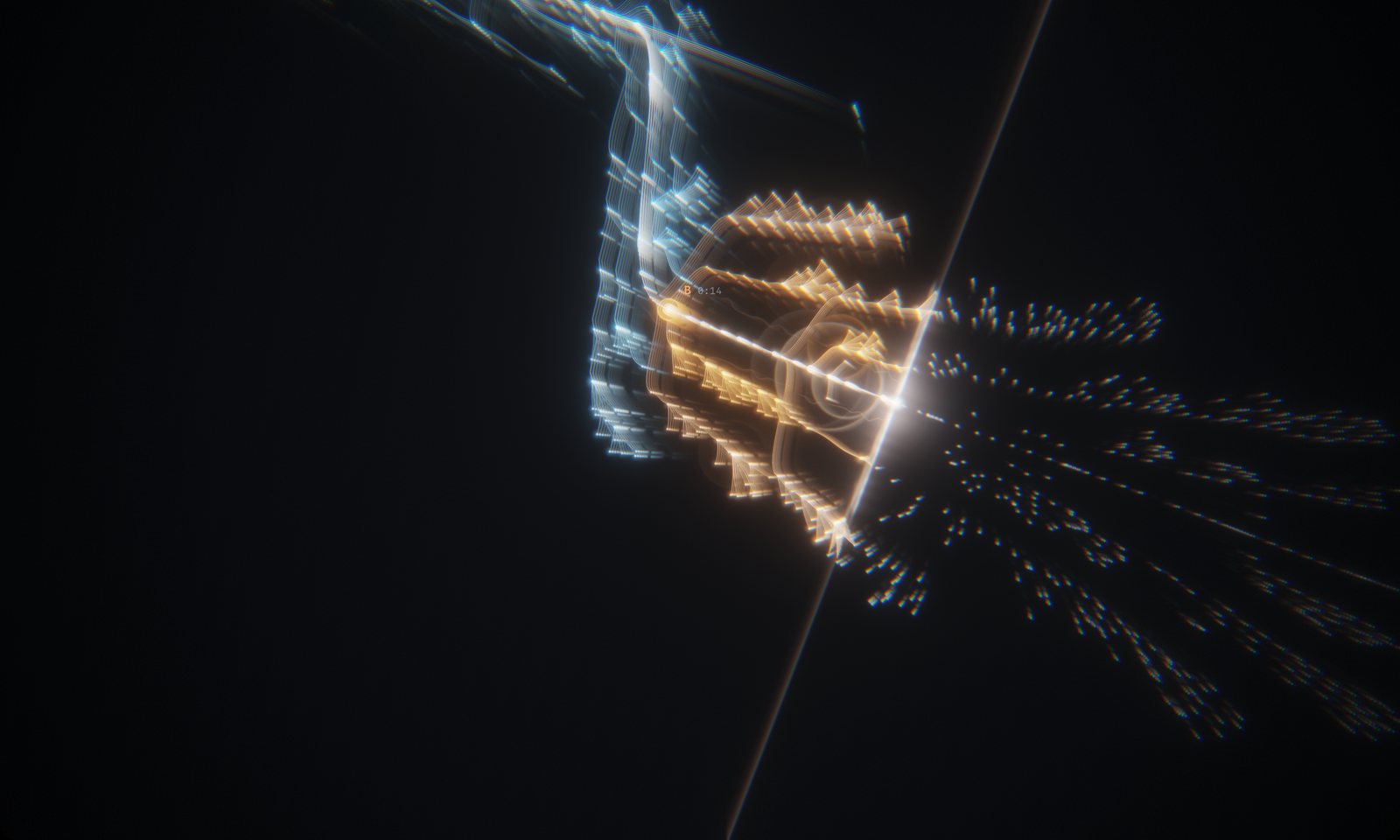
Almost every music visualizer you’ve seen is audio-reactive: it looks at the sound playing right now, measures how loud each frequency is, and moves bars or particles accordingly. It’s simple, it works with any audio, and it tends to look the same from the first second to the last.
Visualinst is structure-aware. Before anything is drawn, it listens to the whole track. That one change makes a different kind of picture possible.
What a real-time visualizer can’t know
A reactive visualizer only has a sliver of audio to work with. It can’t tell a verse from a chorus, doesn’t know where the bar line is, and has no idea the drop is four seconds away. So it reacts to loudness — which is why intros and drops so often look alike.
What changes when you analyze first
1. The beat grid is known
Visualinst finds the tempo, every beat, and which beat starts each bar. The trunk of the visual runs along that grid, with bigger nodes on downbeats. The picture has a pulse even when the drums drop out.
2. The sections are known
It splits the song into sections and recognizes which ones repeat. Each section gets its own lane and color, and when the trunk moves into a new section, it visibly forks. When the hook comes back, it returns to the lane and color it had before — so by the end, you can read the arrangement like a map.
3. The future is known
Because every hit is already detected, Visualinst can show what’s coming: faint points ahead of the scan line mark upcoming notes, and branches grow toward the exact spot where the next hit lands. In Pro’s FLUID mode, the camera director uses the same knowledge to cut on downbeats and make its biggest moves exactly as a new section begins.
4. Every hit is placed by frequency
Transients are detected separately in five bands, from sub to air. Kicks live on the trunk; hats and cymbals branch farthest out. You can watch the hi-hat pattern and the kick pattern as separate shapes.
5. The whole song becomes one image
Before and after playback, Visualinst coils the entire track into a spiral. It’s the clearest picture of an arrangement we know of — every section, every repeat, every hit, at once.
Why it works from files
All of this depends on hearing the song from beginning to end before showing it, so Visualinst works from audio files. It’s built for finished tracks — beats, mixes, masters and demos — where knowing the whole structure pays off.
See the difference
Load the same track into a typical bar visualizer and into Visualinst. Watch the moment the hook comes in. One of them will tell you.
Keep reading

How Visualinst Detects Beats, Transients and Song Sections
A plain-English look at the analysis behind Visualinst: five-band onset detection, tempo estimation, beat tracking and section boundaries — all running on your device.
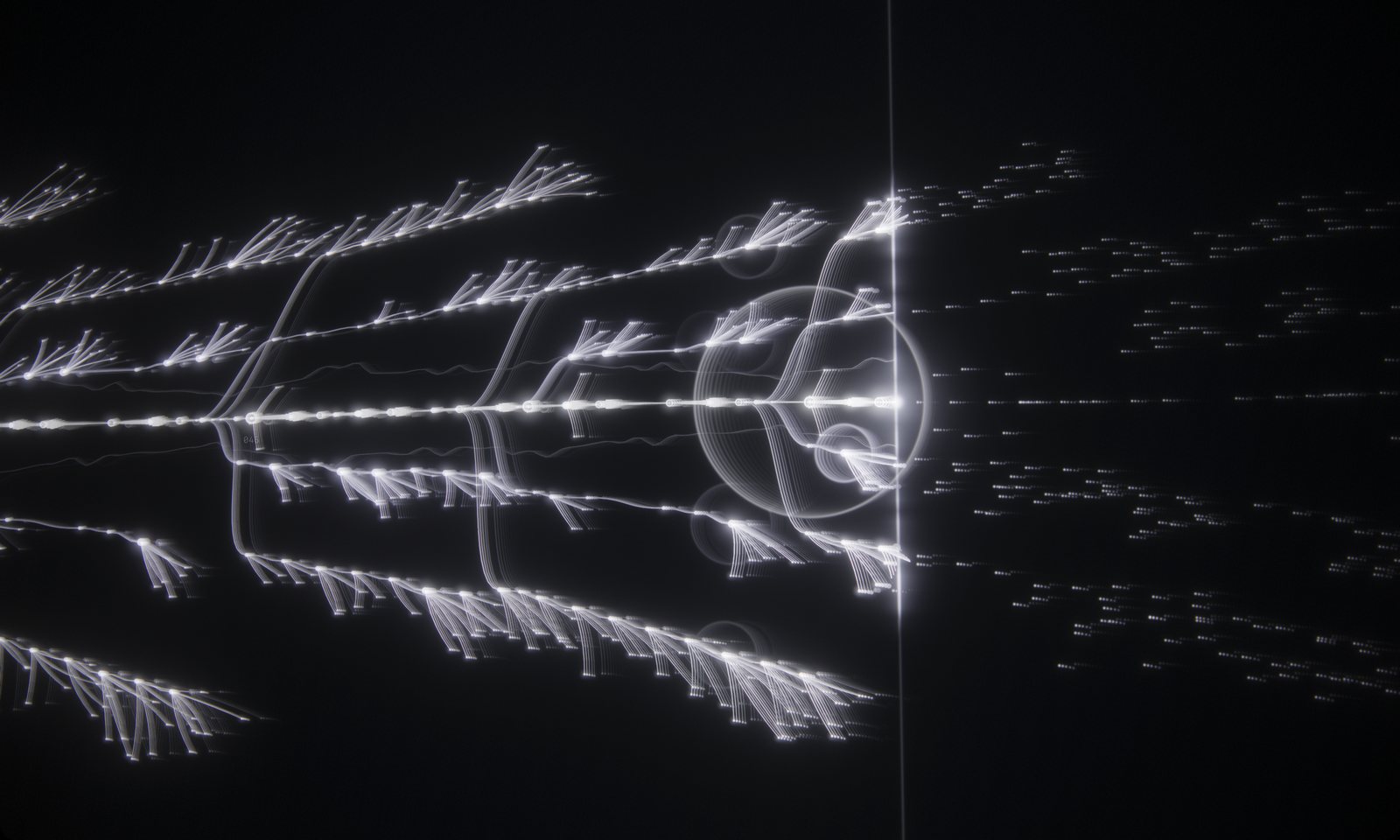
Visualize Unreleased Music Without Uploading It
Visualinst decodes and analyzes your audio on your own device. Here’s why that matters for unreleased beats, client work and label previews — and how to verify it yourself.
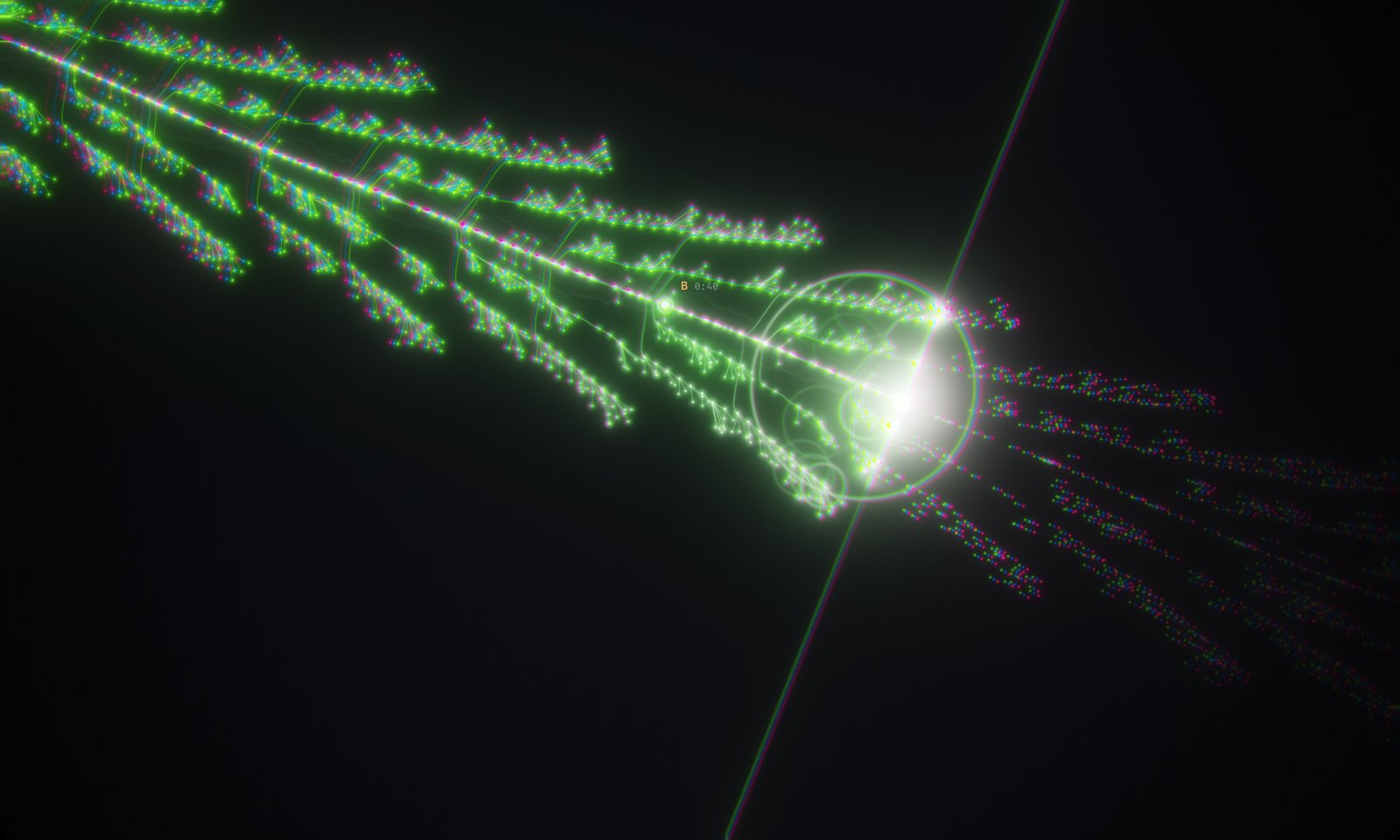
A Music Visualizer That Runs in Your Browser on Windows, Mac, Linux and Chromebook
No installer and no heavy editing software: Visualinst runs in Chrome, Edge, Firefox and Safari with WebGL 2, with one account across every computer you use.